12 Dining Table 3D Models for Beautiful Interiors
 Sulochana Datta
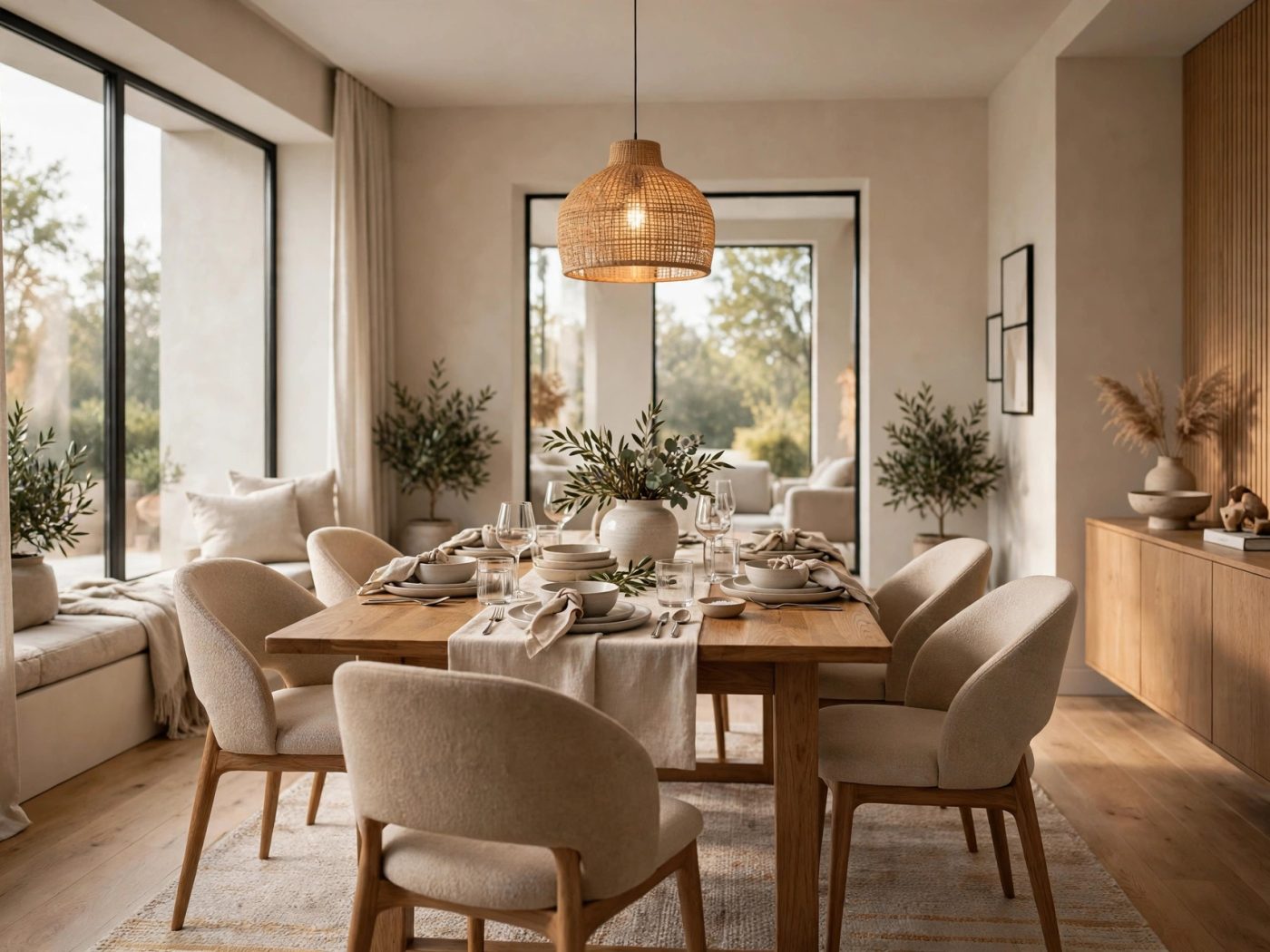
The dining table is the quiet anchor of every home interior — the place where families gather, work gets done, and guests linger long after dessert. In 3D visualization, it plays an equally central role: a well-chosen dining table 3D model grounds the entire dining area, sets the scale for every surrounding object, and gives the camera a strong compositional center to orbit around. Yet many renders treat it as an afterthought, dropping in a generic table that undermines an otherwise careful scene.
This guide covers the 12 best dining table 3D models for beautiful interior renders — from sculptural round tables to hardworking extendables — plus how to choose quality assets, style them like a designer, and light them so they look genuinely inviting.
Why a Dining Table 3D Model Makes or Breaks the Render
In interior renders, the dining table does more compositional work than almost any other single piece. It defines the room’s function instantly — viewers know what the space is for before they consciously register anything else. It establishes scale: chairs, pendant lights, tableware, and even the rug beneath it all get measured against the table. And because dining scenes are usually shot from a slightly elevated three-quarter angle, the tabletop becomes one of the largest visible surfaces in the frame, which means its material quality is under constant scrutiny.
A poor dining table 3D model betrays itself fast. Flat wood textures with no grain variation, chunky unrealistic proportions, legs that meet the top at impossible angles — these flaws pull the viewer’s eye exactly where you don’t want it. A good model, on the other hand, disappears into the scene: the wood has believable grain and edge profiles, the proportions match real furniture dimensions, and the joinery looks like something a craftsman actually built. That realism is what lets the rest of your styling shine.
There’s also a practical argument. Dining tables are geometrically simple enough that beginners try modeling them — and complex enough in their details (beveled edges, leg joinery, material transitions) that the results usually look amateur. Downloading a quality dining table 3D model skips that trap entirely and frees you to focus on the creative work: composition, lighting, and atmosphere.
The 12 Best Dining Table 3D Models for Beautiful Interiors
These picks span the styles clients actually ask for, from timeless farmhouse to sculptural contemporary. Mix and match with your project’s design language — and remember that the table should converse with the chairs, not compete with them.
1. Classic Rectangular Wooden Table
The workhorse of dining renders. A clean rectangular table in oak or walnut seats six comfortably and fits nearly any interior style, which makes it the most versatile dining table 3D model you can own. Look for versions with subtly beveled tabletop edges and tapered legs — those small refinements separate furniture from boxes. This is the table to reach for when the brief says “timeless” or when the rest of the scene is already visually busy.
2. Round Pedestal Table
Round tables change the entire social dynamic of a dining scene — no head of the table, everyone facing each other — and they photograph beautifully from above. A pedestal base keeps the floor area visually open and makes chair placement flexible, which is a gift for composition. The best round dining table 3D model versions include a centerpiece-ready top with realistic wood or stone materials. They excel in breakfast nooks, small apartments, and any scene where you want intimacy.
3. Extendable Dining Table
Extendable tables tell a story of real life — they expand for gatherings and contract for daily use. As a dining table 3D model, the extendable variant adds believable functionality that viewers subconsciously register: the seam lines, the extension leaves, the slightly more complex leg structure. Use it in family-home scenes where you want the space to feel lived-in rather than staged. Some models even include the extension leaves as separate pieces you can show mid-transformation.
4. Glass-Top Dining Table
Glass tops are a renderer’s secret weapon in small spaces — they visually disappear, making compact dining areas feel twice as large. A quality glass-top dining table 3D model needs proper refraction (IOR around 1.5), realistic edge tinting (glass edges read green), and a base interesting enough to deserve visibility. Metal or sculptural wooden bases work best. Keep the tabletop styling minimal: glass shows every fingerprint of over-styling, so a simple runner or single centerpiece is plenty.
5. Farmhouse Trestle Table
Thick tops, sturdy trestle legs, an honest rustic character — the farmhouse table brings warmth that modern minimalism often lacks. In renders, its chunky proportions and visible wood grain add tactile richness that contrasts beautifully with sleek kitchens. When choosing a farmhouse dining table 3d model, check that the wood texture has genuine grain variation and that the trestle joinery looks structural, not decorative. Pair it with simple cross-back chairs and linen textures for the full effect.
6. Marble-Top Dining Table
Nothing signals luxury in a dining render like marble. A marble-top dining table 3D model instantly elevates the scene’s perceived value — but only if the marble material is convincing. Look for high-resolution veining with natural flow (not tiled or repeating), subtle translucency at the edges, and a honed or polished finish appropriate to the style. White Carrara-style marble suits classic luxury; darker marbles with dramatic veining fit contemporary high-end briefs. Keep surrounding materials quiet and let the stone be the star.
7. Live-Edge Wooden Table
Live-edge tables — with their natural, uncut wood edges — bring organic imperfection into interiors that need softening. Each one is unique, which makes them fantastic hero pieces for renders that need a talking point. A good live-edge dining table 3D model captures the edge’s irregular profile in the actual geometry (not just a texture), with bark-like roughness on the edge contrasting the smooth finished top. They pair beautifully with industrial or Scandinavian interiors where the contrast between raw and refined drives the design.
8. Scandinavian Minimalist Table
Light woods, clean lines, tapered legs, zero ornament — the Scandinavian dining table is the darling of bright, airy renders. Its visual lightness makes it ideal for the white-and-oak interiors that dominate portfolio work. When evaluating a Scandinavian dining table 3d model, the details matter enormously: the leg taper angle, the apron’s slim profile, the exact paleness of the wood. These tables live or die on proportion, so compare against real reference dimensions (typically 75cm high, 180-220cm long).
9. Industrial Metal-and-Wood Table
Reclaimed wood tops on blackened steel bases — the industrial dining table brings edge and character to loft-style renders. The material contrast is the whole point: warm worn wood against cool dark metal. A convincing industrial dining table 3D model needs believable wear on the wood (not uniform “distressing”) and metal with proper roughness variation — powder-coated black that’s too perfect looks like plastic. These tables anchor open-plan industrial scenes and pair naturally with statement seating in leather or bouclé.
10. Oval Dining Table
The oval is the diplomat of table shapes — it seats nearly as many as a rectangle but softens the room like a round table, with no sharp corners to navigate in tight spaces. Oval dining tables are underused in renders, which makes them a subtle way to differentiate your work. A quality oval dining table 3D model should have a genuinely elliptical top (not a stretched circle) with edge profiles that follow the curve smoothly. They shine in transitional interiors that blend classic and contemporary elements.
11. Outdoor Dining Table
Terrace and garden renders need their own dining tables — weather-resistant materials, slightly chunkier proportions, and finishes that read correctly in bright daylight. Teak, powder-coated aluminum, and ceramic tops are the classic outdoor materials. An outdoor dining table 3D model should include UV-stable material setups and proportions suited to exterior use (often a bit lower and wider than indoor tables). Style it with simple tableware and let the surrounding greenery do the decorative work.
12. Compact Foldable Table
Small-space living is a massive render category — studio apartments, pied-à-terre projects, compact urban homes — and it needs tables that respect the square footage. Foldable and drop-leaf tables show clever functionality that resonates with city-dwelling clients. A compact dining table 3d model in this category should demonstrate the folding mechanism believably (hinges, leaf supports) and look intentional when folded, not apologetic. These are perfect for “small space, big style” portfolio pieces.
How to Choose a Quality Dining Table 3D Model
Before any dining table 3D model earns a place in your library, run it through this checklist:
- Real-world dimensions: standard dining height is 74-76cm; width 90-110cm; length 180cm seats six. Models that deviate without reason will look wrong next to correctly-scaled chairs.
- Edge detailing: tabletops need beveled, eased, or profiled edges — razor-sharp 90-degree edges scream low-poly and catch light unnaturally.
- Material resolution: the tabletop is a hero surface; wood grain and stone veining need 2K textures minimum, 4K for close-up shots.
- Joinery believability: legs should meet the top or apron in a way that looks structural. Floating or intersecting geometry destroys realism on inspection.
- UV mapping quality: wood grain must flow consistently along the top’s length; stretched or mirrored grain patterns are instant giveaways.
- Chair clearance: check apron height and leg placement leave room for chairs to tuck in — models that ignore this look fine alone but fail in styled scenes.
Styling Your Dining Table Like a Designer
Start with the centerpiece, not the table. A low arrangement — a simple vase with branches, a bowl of fruit, a cluster of candles — gives the camera a focal point and establishes the table’s scale. Keep centerpieces low enough to see across; tall arrangements block sightlines and fight the composition.
Layer the tabletop. Professional stylists build tables in layers: a runner or placemats as the base, dinnerware as the middle layer, glassware and small decor on top. Each layer adds visual richness without clutter. For renders, slightly imperfect placement — a casually folded napkin, a glass at a natural angle — reads more realistic than military precision.
Coordinate, don’t match. The dining chairs shouldn’t be identical clones of the table’s style; contrast creates interest. A rustic wood table with sleek upholstered chairs, or a marble table with warm wooden chairs — these tensions make scenes feel designed rather than purchased as a set. Browse complementary furniture guides to build a vocabulary of mix-and-match pairings.
Ground it with a rug. A rug under the dining table does enormous compositional work: it defines the dining zone within open plans, adds a layer of texture and pattern, and softens the hard lines of table and chairs. Size it generously — chairs should remain on the rug even when pulled out. This single addition often transforms a floating, disconnected dining set into a resolved, intentional space.
Light it deliberately. A pendant light or chandelier centered over the table is the classic move, and for good reason — it creates a pool of warm light that draws the eye and flatters both food and faces. Hang it 75-90cm above the tabletop. For evening scenes, combine the pendant with candlelight on the table for layered warmth that photographs beautifully. Our lighting guide covers the fixtures that pair best with dining areas.
Rendering Tips for Convincing Dining Scenes
Nail the wood. Wood is the most common dining table material and the easiest to get wrong. Real wood has grain direction, subtle color variation between boards, and a finish that affects reflections — satin finishes scatter highlights softly while polished tops mirror crisply. Study reference photos of your specific wood species; oak, walnut, and teak all behave differently under light.
Get reflections right on glass and marble. Glossy tabletops are mirrors for your lighting setup. Make sure there’s something worth reflecting — a pendant light, a window, warm wall tones. An empty black studio environment reflected in a marble top produces a dead, lifeless surface. Your environment is part of the material.
Shoot the classic angles. The three-quarter elevated view (camera at roughly 1.6m height, 30-45 degrees off-axis) shows the tabletop styling, the chairs, and the room beyond — it’s the money shot for dining scenes. A lower, more intimate angle at seated eye height works for moody evening renders. And don’t neglect the top-down detail shot of a beautifully styled table; it’s portfolio gold.
Add human traces. The most convincing dining renders suggest recent or imminent use: a chair pulled out slightly, a half-filled coffee cup, a newspaper folded beside a plate. These tiny narratives transform a furniture catalog shot into a story. Just keep it restrained — one or two traces, not a crime scene.
Mind the background. Dining areas often sit within open-plan spaces, so what the camera sees beyond the table matters enormously. A glimpse of a well-styled kitchen or living area adds depth and context. Make sure background elements are resolved enough to read clearly but not so detailed they compete with the hero table.
Frequently Asked Questions
What is the standard size for a dining table 3D model?
Real dining tables are 74-76cm high. A 180cm × 90cm rectangular table seats six; round tables need about 120cm diameter for four and 150cm for six. Always verify your dining table 3D model matches these dimensions — incorrectly scaled tables are one of the most common realism killers in interior renders, especially when chairs are added.
Which dining table shape renders best in small spaces?
Round and oval tables work best in compact dining areas — no corners to navigate, better flow around the table, and they photograph as more spacious than their footprint suggests. A round pedestal table is the classic small-space solution. Glass tops amplify the effect further by reducing visual weight.
How do I make wood grain look realistic on a dining table render?
Use high-resolution textures (2K minimum) with the grain running along the tabletop’s length, add subtle roughness variation so reflections break up naturally, and include a very slight bevel on all edges — sharp CG edges catch highlights in ways real wood never does. Reference photos of the actual wood species you’re imitating.
Can I use a free dining table 3D model for client work?
It depends on the license. Many free models allow commercial use, but terms vary by creator and platform — some restrict to personal or portfolio projects. Always check the license on the model’s page before using it commercially. When in doubt, the model libraries that clearly label commercial-friendly assets save you the guesswork.
How many chairs should I place around a dining table in a render?
Follow real-world ergonomics: allow about 60cm of table edge per diner. A 180cm table seats three per side comfortably. For renders, fully styling every seat can look cluttered — styling four to six place settings on a six-seat table often photographs better than a full set, leaving breathing room that feels natural rather than empty.
What lighting works best for dining table scenes?
A pendant centered 75-90cm above the tabletop is the foundation — it creates the warm pool of light that defines dining atmosphere. Layer it with natural window light for daytime scenes or candles for evening mood. Avoid flat overhead lighting that eliminates shadows; the interplay of light and shadow across the tabletop is what gives the scene depth.
Conclusion
The right dining table 3D model does far more than fill the middle of a dining room — it anchors the composition, sets the scale for everything around it, and carries the material quality the camera scrutinizes most. Start with real-world dimensions, demand believable materials and joinery, and invest your styling time in the layers that make a table feel alive: a considered centerpiece, honest place settings, and light that flatters. Whether your brief calls for rustic farmhouse warmth or marble-topped luxury, the twelve models covered here give you a foundation for dining scenes that feel less like renders and more like invitations.
Ready to build your scene? Explore our guide to downloading free 3D models to expand your library, then put your new dining table knowledge to work.