12 Coffee Table 3D Models for Stunning Living Rooms
 Sulochana Datta
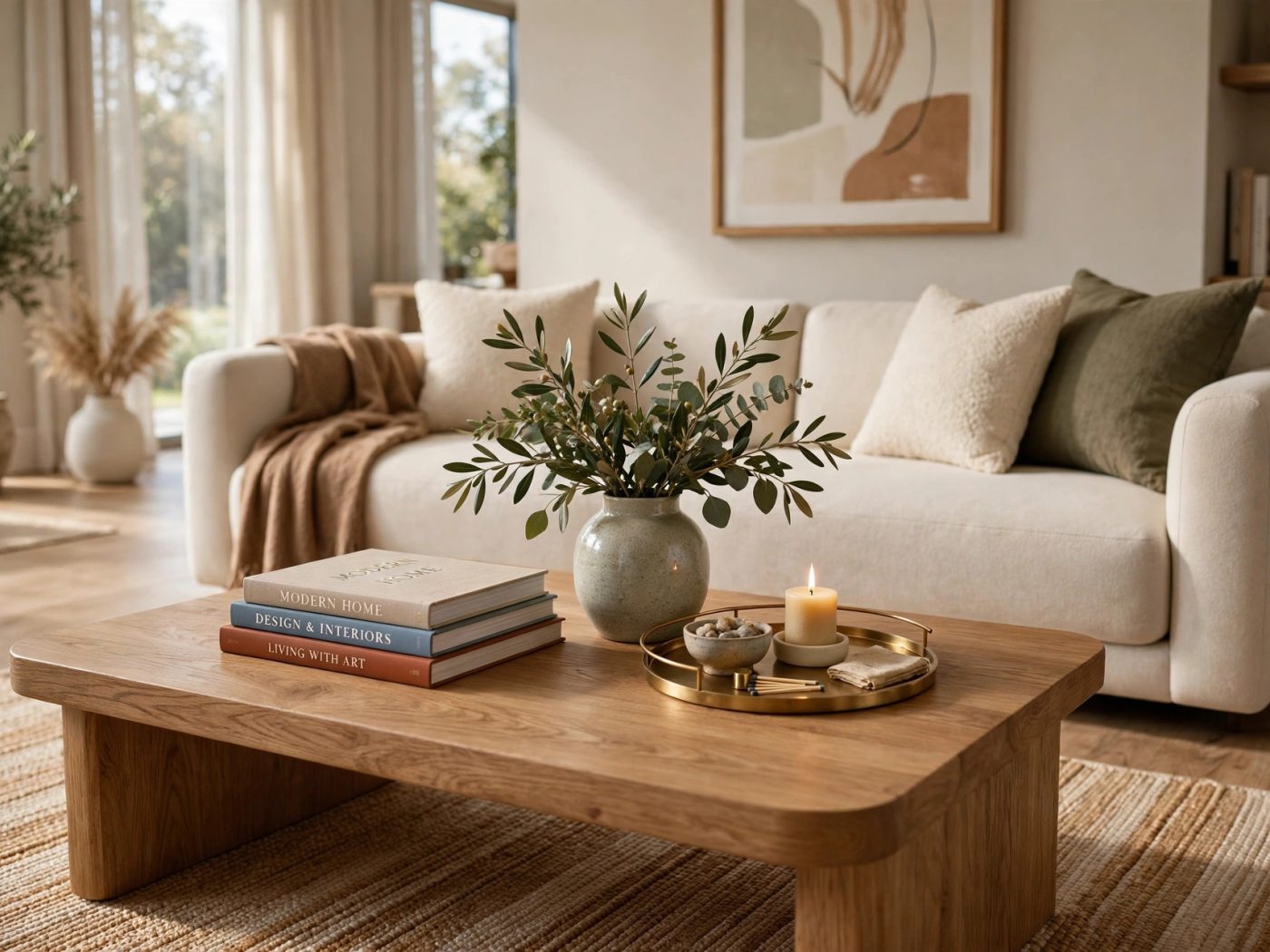
Every great living room render has a gravitational center — and more often than not, it’s the coffee table. Sitting at the heart of the seating arrangement, it anchors the sofa, organizes the surrounding chairs, and gives the camera a richly detailed surface to rest on. Yet it’s routinely treated as filler: a generic box dropped between furniture, styled with all the care of an afterthought. A quality coffee table 3D model deserves better, because when done right, it’s the hardest-working piece in the room.
This guide presents 12 stunning coffee table 3D models for living room renders — from sculptural marble statements to honest wooden workhorses — plus how to evaluate quality, style tabletops like a professional, and render them so they look touchably real.
Why a Coffee Table 3D Model Anchors Every Living Room
Compositionally, the coffee table is the keystone of living room renders. It sits at the visual center of the most common camera angle — the three-quarter view of a seating arrangement — which means it’s often the largest furniture surface in the frame. Its top carries the styling that tells the room’s story: books reveal interests, a tray suggests order, a vase adds life. Without a convincing table, the entire seating group floats disconnected.
Coffee tables are also material showcases. Wood grain, marble veining, glass reflections, metal patina — the tabletop is where your material work gets judged most closely, because viewers instinctively look at the center of the image first. A coffee table 3D model with poor materials undermines the whole render; one with beautiful surfaces elevates everything around it.
And practically, coffee tables are deceptively tricky to model convincingly. The proportions must balance presence with restraint (too chunky overwhelms, too delicate disappears). Edge profiles need refinement. Storage details — drawers, shelves, lift-tops — must look functional. Downloading a proven model bypasses these challenges and lets you invest time in styling, where the real magic happens.
12 Stunning Coffee Table 3D Models for Living Rooms
These twelve cover the styles clients request most, each with distinct character. The right choice depends on your sofa, your room’s scale, and the story you want the space to tell.
1. Rectangular Wooden Coffee Table
The timeless classic. A clean rectangular table in oak, walnut, or teak suits nearly any living room and pairs effortlessly with any sofa style. The best rectangular coffee table 3D model versions include subtly beveled edges, visible wood grain with natural variation, and proportions that relate to standard sofa dimensions (typically 120-140cm long, 40-45cm high). This is your default choice when the brief doesn’t specify — it never looks wrong.
2. Round Coffee Table
Round tables soften angular seating arrangements and improve flow in tight spaces — no corners to navigate. They photograph beautifully and create a more conversational, intimate feeling. A quality round coffee table 3D model should have a genuinely circular top with smooth edge profiles and a base proportional to the diameter. They excel in eclectic and Scandinavian interiors where softness balances structured sofas.
3. Marble-Top Coffee Table
Instant luxury. A marble top transforms even a simple base into a statement piece, and in renders, it’s the material that most reliably signals high-end design. A marble coffee table 3D model demands excellent stone materials: natural veining flow without tiling, subtle translucency, and an appropriate polish level. White marble with grey veining suits classic luxury; dramatic dark marbles fit contemporary briefs. Keep the base simple — the stone is the star.
4. Glass-Top Coffee Table
Visual lightness perfected. Glass tops virtually disappear, making small living rooms feel spacious and letting beautiful rugs show through uninterrupted. A glass-top coffee table 3D model needs proper refraction, realistic edge tint, and — critically — an interesting base, since the base becomes the visual focus. Metal, sculptural wood, or stone bases all work. Style minimally: glass reveals every styling misstep.
5. Live-Edge Coffee Table
Raw natural edges on a refined interior piece — the live-edge table brings organic character that contrasts beautifully with tailored upholstery. Each one is unique, making it a natural focal point. A good live-edge coffee table 3D model captures the edge irregularity in actual geometry with bark-textured sides against a smooth finished top. These tables tell a story of craftsmanship that resonates in rustic, Japandi, and organic-modern renders.
6. Mid-Century Modern Coffee Table
Tapered legs, clean lines, warm teak tones — the mid-century coffee table is a perennial portfolio favorite. Its light visual weight suits the airy renders dominating 2026, and its iconic status means viewers instantly read it as “designed.” When choosing a mid-century coffee table 3d model, the leg angle and taper are the critical details; get them wrong and the whole piece looks clumsy. Pair with period-appropriate seating for authentic retro scenes.
7. Industrial Coffee Table
Reclaimed wood on blackened steel — rugged, honest, full of character. Industrial coffee tables ground loft-style renders and add textural contrast to sleek contemporary sofas. A convincing industrial coffee table 3D model needs believable wood wear (varied, not uniform) and metal with realistic roughness variation. The best versions include details like visible bolts or welded joints that sell the handcrafted narrative.
8. Ottoman Coffee Table
Soft, upholstered, dual-purpose — the ottoman coffee table serves as table, footrest, and extra seating. In renders, its upholstered surface adds textile warmth that hard tables can’t provide, and a tray on top instantly creates the “table” function. An ottoman coffee table 3D model needs convincing fabric materials with visible weave and natural cushion deformation. They’re perfect for family-friendly interiors and cozy, layered 2026 aesthetics.
9. Nesting Coffee Tables
Two or three tables that tuck together — flexible, playful, and incredibly useful for composition. Nesting tables let you vary heights and positions for dynamic arrangements that single tables can’t achieve. A nesting coffee table 3D model set should include pieces with genuinely complementary proportions. Use them in contemporary renders where you want to show design intelligence, or in small spaces where flexibility is the story.
10. Stone/Travertine Coffee Table
Sculptural, substantial, ancient-meets-modern. Travertine and other natural stones are having a major 2026 moment, bringing organic texture to minimalist interiors. A stone coffee table 3D model must capture the material’s pitted, porous character — too smooth and it reads as concrete, too rough and it looks unfinished. These tables are statements; give them room to breathe with minimal surrounding clutter.
11. Lift-Top Coffee Table
Functionality as design: the top rises and slides forward to create a work surface — the work-from-home era’s answer to the coffee table. In renders, lift-tops add believable real-life functionality that viewers subconsciously appreciate. A lift-top coffee table 3D model should show the mechanism convincingly (hinges, supports) even when closed. They’re ideal for small-apartment renders where every piece must multitask.
12. Sculptural Art Coffee Table
When the table is the art: freeform resin pours, carved wood waves, cast bronze abstractions. Sculptural coffee tables are portfolio showpieces that demonstrate creative ambition. A sculptural coffee table 3d model needs flawless organic geometry — any faceting or symmetry errors destroy the artistic illusion. Use them sparingly, in otherwise restrained rooms where they can command full attention. One per portfolio is plenty; two is showing off.
How to Choose a Quality Coffee Table 3D Model
Run every candidate through this checklist:
- Correct height: 40-45cm is standard — level with or slightly below sofa seat cushions. Tables that sit too high or low break the seating group’s ergonomics visually.
- Proportional length: roughly two-thirds the sofa’s length. A table dwarfed by its sofa looks lost; one that overwhelms looks aggressive.
- Edge refinement: tabletops need beveled or eased edges. Sharp 90-degree edges catch light harshly and scream low-poly.
- Material resolution: the top is a hero surface — 2K textures minimum, with grain or veining that flows naturally without obvious tiling.
- Base stability: legs and bases must look capable of supporting the top. Visually unstable tables create subconscious unease.
- Underside detailing: cameras sometimes catch the underside — it shouldn’t be an unfinished hollow shell. Basic apron and support geometry suffices.
Styling Your Coffee Table Like a Professional
Embrace the rule of three. Professional stylists group objects in odd numbers — three items of varying heights create the most pleasing compositions. A classic formula: something tall (vase with branches), something flat (stack of art books), something small (candle or sculptural object). This trio gives the camera a complete visual journey across the tabletop.
Use a tray as an anchor. A tray corrals small objects into a single intentional grouping, instantly making random items look curated. It also adds a material layer — wood, marble, or metal — that enriches the tabletop. In renders, trays are the fastest path from “stuff on a table” to “styled surface.”
Stack books with intent. Coffee table books aren’t just props; their covers, sizes, and stacking order communicate the homeowner’s personality. Vary sizes, align spines casually (not perfectly), and top the stack with a small object. Three to five books is the sweet spot — more becomes a library, fewer looks sparse.
Add something living. A small plant, a vase of fresh stems, or even a bowl of fruit introduces organic life that contrasts beautifully with hard table surfaces. Our indoor plant guide has perfect small-scale options for tabletop styling. Living elements are the difference between a showroom and a home.
Leave breathing room. The most common styling mistake is overfilling. Negative space on a tabletop isn’t empty — it’s what lets each object be appreciated. Aim to cover no more than two-thirds of the surface; the visible tabletop material is part of the composition too.
Coordinate with the room. The coffee table styling should echo the room’s broader palette and materials. If the room features warm woods, repeat them in table accessories. This repetition creates the cohesion that separates designed interiors from assembled ones.
Rendering Tips for Beautiful Tabletops
Control your reflections. Glossy tabletops mirror the environment — make sure there’s something worth reflecting. Position the camera so the tabletop catches window light or warm lamp glow rather than reflecting a dark ceiling. This single consideration often determines whether a table looks rich or dead.
Get depth of field right. A slight depth-of-field falloff across the tabletop adds cinematic quality, keeping the nearest styling sharp while softening the far edge. But keep it subtle — heavy blur on the hero surface frustrates viewers who want to see the details you styled.
Mind the rug relationship. The coffee table almost always sits on a rug, and the two must be composed together. Center the table on the rug with generous margins; ensure the rug’s pattern doesn’t fight the tabletop styling. Photograph them as a unit, not as separate elements.
Light for texture. Raking light from the side reveals wood grain, stone texture, and fabric weave far better than flat frontal lighting. If your key light is a window, position the table so light grazes across the top rather than hitting it straight on. Texture needs shadow to be visible.
Include human traces. A slightly askew book, a cup with coffee, reading glasses left behind — these tiny narratives transform a styled table from showroom-perfect to believably inhabited. One trace is charming; five is messy. Choose wisely.
Frequently Asked Questions
What size should a coffee table 3D model be?
Standard coffee tables are 40-45cm high and 120-140cm long — roughly two-thirds the length of the accompanying sofa. Round tables typically run 80-100cm in diameter. Always verify your coffee table 3D model against these dimensions; incorrect scale relative to the sofa is immediately obvious and breaks the entire seating arrangement’s credibility.
How far should a coffee table be from the sofa?
Allow 35-45cm between the sofa’s front edge and the table — close enough to reach comfortably, far enough for legroom. In renders, this gap also creates a shadow line that separates the pieces visually. Tables pushed too close look cramped; too far looks disconnected.
What’s the best coffee table shape for small living rooms?
Round or oval tables work best in compact spaces — no sharp corners, better traffic flow, and they visually occupy less space than their rectangular equivalents. Glass tops amplify the spaciousness further. If you need the surface area of a rectangle, consider nesting tables that can be reconfigured.
How do I make a wood coffee table look realistic in renders?
Use 2K+ textures with grain running along the table’s length, add subtle roughness variation for natural reflection breakup, bevel all edges slightly, and light from the side to reveal grain texture. Reference the specific wood species — oak, walnut, and teak each have distinct grain patterns and color temperatures.
Can I use free coffee table 3D models for client projects?
Check each model’s license — many free assets allow commercial use, but terms vary by creator. Libraries that clearly mark commercial-friendly licenses save verification time. When in doubt, contact the creator or choose assets with explicit commercial permissions.
How should I style a coffee table for renders?
Follow the rule of three: combine items of varying heights (tall vase, flat book stack, small object), use a tray to group smaller items, add something living like a plant or fresh stems, and leave one-third of the surface empty. Coordinate accessories with the room’s palette for cohesive, professional results.
Conclusion
The right coffee table 3D model does far more than fill space between sofas — it anchors your composition, showcases your material skills, and carries the styling narrative that makes a living room feel like a home. Get the proportions right, demand beautiful surfaces, and style with the restraint of a professional: the rule of three, breathing room, and one living element. Whether your 2026 renders call for sculptural stone statements or honest wooden workhorses, these twelve models give you the foundation for living rooms that invite viewers to sit down and stay a while.
Keep building your living room toolkit with our free 3D model download guide — your next great render starts with the right assets.