15 Floor Lamp 3D Models to Light Up Your Renders
 Sulochana Datta
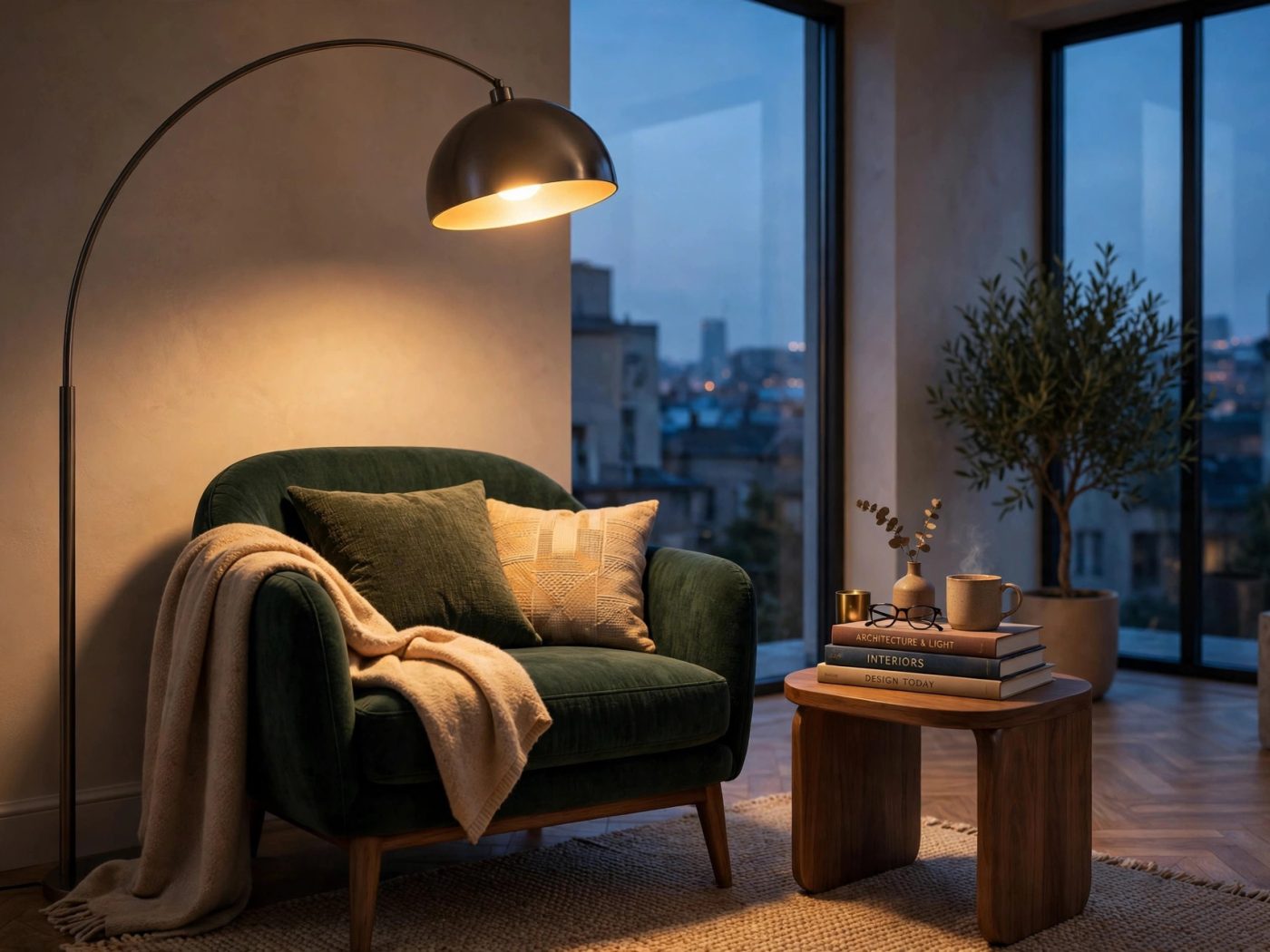
Lighting is the soul of every interior render — it shapes mood, defines depth, and separates flat, lifeless images from ones that feel genuinely atmospheric. And among all lighting fixtures, the floor lamp is the designer’s most versatile tool: it adds height, creates warm pools of light exactly where you want them, and serves as a sculptural object even when switched off. A quality floor lamp 3D model gives you all of this in a single download.
This guide covers 15 stunning floor lamp 3D models for realistic interior renders — from dramatic arc lamps to minimalist tripods — plus how to choose assets that actually illuminate, place them like a lighting designer, and render them so they glow convincingly.
Why a Floor Lamp 3D Model Is a Render Game-Changer
Most beginner renders rely on a single overhead light or a flat HDRI, which is why they look sterile. Professional interiors are built on layered lighting: ambient light for general illumination, task light for function, and accent light for drama. Floor lamps deliver all three layers at once — they wash walls with warm light, create intimate reading corners, and add vertical interest that overhead fixtures can’t provide.
A floor lamp 3D model earns its place because lamps are deceptively hard to model well. The shade needs proper translucency so light glows through it believably. The stand requires realistic proportions — too thin and it looks flimsy, too thick and it reads as a column. Metal finishes must reflect accurately, fabric shades need visible weave, and the power cord (often forgotten) grounds the lamp in reality. Downloading a well-built model skips all of these pitfalls.
There’s also a 2026-specific reason floor lamps are trending: the shift toward warm, layered, residential-feeling interiors. As photorealistic rendering embraces cozier aesthetics — bouclé fabrics, warm woods, soft shadows — floor lamps have become the go-to fixture for adding that lived-in warmth. They’re appearing in more renders than ever, which means having quality models in your library is now a competitive advantage.
15 Stunning Floor Lamp 3D Models for Your Renders
These picks cover the styles dominating 2026 interiors, from sculptural statements to quiet minimalists. Each one fills a different lighting role — collect across categories for a complete toolkit.
1. Arc Floor Lamp
The undisputed hero of dramatic interiors. An arc floor lamp sweeps its shade over sofas and dining tables from a base tucked discreetly to the side — pure sculptural theater. The best arc floor lamp 3D model versions capture the curve’s elegant geometry, include a heavy believable base (these lamps need counterweight), and offer marble or metal base options. They’re the fastest way to add “designed” character to a living room render.
2. Tripod Floor Lamp
Three legs, endless charm. Tripod lamps bring a mid-century modern warmth that suits Scandinavian and eclectic interiors perfectly. As a floor lamp 3D model, the tripod variant needs believable leg splay angles and a shade that sits level — wobbly-looking tripods destroy credibility instantly. Wooden tripods read warm and crafted; metal ones feel more industrial. They excel beside armchairs in reading corners.
3. Torchiere Floor Lamp
The torchiere throws light upward, washing ceilings with a soft ambient glow that makes rooms feel taller and more spacious. This uplight effect is one of the most flattering in interior rendering — it eliminates harsh shadows and creates the gentle gradient on walls that photographers love. A quality torchiere floor lamp 3D model needs a shade interior that’s reflective enough to bounce light convincingly. Use them in rooms with interesting ceiling details you want to showcase.
4. Pharmacy Floor Lamp
With its adjustable height and swiveling shade, the pharmacy lamp is task lighting perfected — designed for reading, and it looks it. In renders, pharmacy lamps add a tailored, library-like sophistication to studies and bedrooms. The adjustable joints are the detail to check: a good pharmacy floor lamp 3D model shows believable pivot mechanisms, not magic floating parts. Brass finishes are the classic choice; matte black suits contemporary schemes.
5. Drum Shade Floor Lamp
Clean, cylindrical, endlessly versatile — the drum shade lamp is the minimalist’s answer to floor lighting. Its simple geometry makes it easy to place, and the large shade diffuses light into the softest possible glow. When choosing a drum shade floor lamp 3d model, the shade material is everything: linen or cotton weaves with visible texture photograph far better than flat opaque cylinders. These are workhorses for bright, airy renders.
6. Sputnik Floor Lamp
Atomic-age exuberance in lamp form. Sputnik lamps — with bulbs radiating in all directions from a central sphere — are statement pieces that double as the room’s jewelry. A sputnik floor lamp 3D model must handle the complexity: a dozen or more arms, each with a bulb that needs emissive materials. They’re perfect for mid-century modern and eclectic renders where you want the lighting itself to be the conversation piece. Keep surrounding decor quiet and let the sputnik perform.
7. Paper Lantern Floor Lamp
Noguchi’s Akari sculptures made paper lanterns iconic, and their soft, diffused glow remains unmatched for serene interiors. A paper lantern floor lamp 3D model needs genuine translucency — light should bloom through the paper with that characteristic warm diffusion, not just illuminate the surface. The wire or bamboo ribbing visible through the paper is the detail that sells realism. These lamps transform bedrooms and meditation spaces.
8. Industrial Cage Floor Lamp
Exposed bulbs in metal cages — raw, honest, and full of character. Industrial cage lamps suit loft conversions and edgy commercial renders. A convincing industrial floor lamp 3D model needs believable metal aging (not uniform “rust texture” slapped on) and a cage geometry that’s actually constructible. The exposed filament bulb is the star: it needs emissive materials with visible filament detail for close-ups.
9. Wooden Column Floor Lamp
A solid turned-wood column with a simple shade — the craftsman’s floor lamp. These bring organic warmth and artisanal character that mass-produced metal lamps can’t match. When evaluating a wooden floor lamp 3d model, check the wood turning details: the subtle rings and curves of lathe work should be in the geometry, not faked with textures. They pair beautifully with other natural materials and suit rustic, Scandinavian, and Japandi interiors.
10. Articulated Task Floor Lamp
Anglepoise-style articulated arms bring precision task lighting to floor-standing form — perfect for home offices and studios. The springs, joints, and counterweights are mechanical details that must read as functional. A quality articulated floor lamp 3D model shows the tension mechanisms believably. These lamps tell a story of work and focus, making them ideal for office scenes that need personality.
11. Globe Floor Lamp
A perfect sphere of diffused light on a slim stand — the globe lamp is minimalism distilled. Its pure geometry makes it almost foolproof in renders, and the even 360-degree glow flatters every surrounding surface. A globe floor lamp 3D model lives or dies on its glass or opal material: it needs the right balance of diffusion and glow. These are ideal for contemporary interiors where you want light without visual noise.
12. Branching Tree Floor Lamp
Multiple lights branching from a central stem like a tree — these sculptural lamps fill large spaces with both illumination and art. A tree floor lamp 3D model is a commitment: it’s visually dominant, so the branching must look organic rather than mechanical. They’re spectacular in double-height spaces and hotel lobbies where a single statement light can carry the entire composition.
13. Rattan/Wicker Floor Lamp
Natural fibers, warm texture, bohemian soul. Rattan floor lamps are riding the 2026 wave of organic materials, and their woven shades create the most beautiful patterned light in all of interior rendering — dappled shadows that dance across walls. A rattan floor lamp 3D model must capture the weave in geometry or high-quality alpha textures; flat “wicker color” materials look instantly fake. These transform any room into a warm retreat.
14. Slim LED Column Lamp
The contemporary minimalist’s choice: a slender column of diffused LED light, often with adjustable color temperature. These lamps practically disappear during the day and become glowing sculptures at night. A slim LED floor lamp 3d model needs clean geometry and believable diffuser materials. They’re perfect for modern interiors where traditional lamp silhouettes would feel fussy, and they photograph beautifully in evening scenes.
15. Vintage Brass Floor Lamp
Aged brass, classic silhouettes, timeless warmth — vintage-style brass lamps bring the patina of history to traditional and eclectic interiors. The brass material is the make-or-break detail: it needs varied roughness, subtle tarnish in recesses, and warm golden reflections. A vintage brass floor lamp 3D model with convincing metalwork elevates any classic interior render from “new furniture showroom” to “collected over decades.”
How to Choose a Quality Floor Lamp 3D Model
Evaluate every floor lamp 3D model against these criteria before it joins your library:
- Shade translucency: lampshades must transmit light — check for subsurface scattering or translucency in the material setup. Opaque shades with a light bulb inside look broken.
- Emissive bulb materials: visible bulbs need emissive shaders with realistic color temperature (2700K warm white for residential).
- Proportion and stability: the base must look heavy enough to support the lamp; top-heavy designs without visible counterweight read as unstable.
- Cord included: a lamp without a power cord floats in unreality. The cord should drape naturally to the floor.
- Switch detail: pull chains, foot switches, or touch controls — small, but their absence is noticeable in close-ups.
- Clean geometry: curved arms and shades need smooth subdivision; faceted curves betray low-poly origins immediately under studio lighting.
Placement Tips: Lighting Like a Designer
Follow the triangle rule. In any seating area, aim for three light sources at different heights: an overhead or pendant, a floor lamp, and a table lamp or candles. This triangle creates the depth and warmth that single-source lighting can never achieve. Your floor lamp 3D model is usually the middle-height anchor of this composition.
Light the corners. Dark corners make rooms feel smaller. A floor lamp tucked into an unused corner does double duty: it eliminates the dead zone and creates a cozy vignette that draws the eye. This is the single highest-impact placement in most living room renders.
Pair lamps with seating. A floor lamp beside an armchair or at the end of a sofa creates an instant reading nook — one of the most inviting compositions in interior visualization. The lamp should be close enough to feel functional (within arm’s reach of the seat) but not crowding it. Browse our sofa guide for seating that pairs well with statement lighting.
Consider the shade height. The bottom of the shade should sit at roughly seated eye level (about 120-130cm from the floor) for reading lamps — this prevents glare while maximizing useful light. For ambient torchiere or arc lamps, height creates drama; don’t be afraid to go tall.
Layer with natural light. The most beautiful interior renders balance daylight with warm artificial light — the “blue hour” effect where cool window light meets golden lamp glow. Position your floor lamps where they’ll complement, not compete with, window light. Our wall lighting guide covers additional fixtures for complete layered schemes.
Rendering Tips for Glowing Lamps
Use real emissive geometry. In path-traced renderers, the bulb’s emissive material should actually illuminate the scene — not just glow in the camera. This gives you realistic light falloff on surrounding walls and furniture for free. Balance the emissive intensity so the shade glows without blowing out to pure white.
Add subtle bloom. A restrained bloom or glare pass sells the brightness of bulbs in a way that raw renders can’t. Keep it subtle — the goal is a gentle halo that suggests brilliance, not a supernova. This is especially effective for evening scenes where lamps are the primary light source.
Show the light’s effect, not just the lamp. The most convincing lamp renders emphasize what the light does: the warm pool on the floor, the gradient up the wall, the highlights on nearby furniture. Frame some shots to include these effects prominently — they prove the lighting is real rather than painted on.
Mind the shade interior. When the camera can see inside a shade, the interior material matters enormously. It should be lighter and more reflective than the exterior, showing the warm bounce of the bulb. Dark shade interiors in a lit lamp are a common realism failure.
Don’t forget shadows. Lamps cast distinctive shadows — tripod legs throw triple shadows, cage lamps project geometric patterns, rattan shades dapple the walls. Make sure your shadow settings are high enough to resolve these; they’re often the most beautiful part of a lamp render.
Frequently Asked Questions
What makes a good floor lamp 3D model?
A good floor lamp 3D model combines realistic proportions with a stable-looking base, shade materials with proper translucency, emissive bulb shaders at realistic color temperatures, an included power cord, and clean curved geometry. The best ones look convincing both lit and unlit, since lamps appear in daytime renders too.
How tall should a floor lamp be in a 3D scene?
Most floor lamps range from 140cm to 180cm tall. Reading lamps should position the shade bottom at seated eye level (120-130cm from floor). Arc lamps often reach 200cm+ at their highest point. Always verify against real-world dimensions — incorrectly scaled lamps are immediately obvious next to correctly-sized furniture.
Why do my lamp renders look flat?
Flat-looking lamps usually suffer from missing translucency (opaque shades), bulbs that glow visually but don’t actually illuminate the scene, or insufficient shadow detail. Enable emissive lighting from the bulb geometry, add subsurface scattering to shades, and ensure your render settings resolve the soft shadows lamps create.
Can I use free floor lamp 3D models commercially?
It depends on each model’s license. Many free assets permit commercial use, but terms vary — always check the license on the model’s page before client work. Libraries that clearly label commercial-friendly licenses remove the guesswork.
What’s the best floor lamp style for small rooms?
Slim torchiere and narrow tripod lamps work best in compact spaces — they provide ample light with minimal footprint. Arc lamps can work if the base tucks behind furniture. Avoid bulky tree lamps or wide sputnik designs that overwhelm small rooms visually.
How do I render a lampshade glowing realistically?
Combine three things: a translucent shade material with subsurface scattering, an emissive bulb inside at warm color temperature (2700K), and subtle bloom in post-processing. The shade should be brightest near the bulb and fall off naturally toward the edges — uniform brightness across the shade looks artificial.
Conclusion
The right floor lamp 3D model transforms renders from flatly lit to atmospherically rich — it adds the warm, layered light that makes interiors feel inhabited rather than staged. Start with versatile workhorses like arc and tripod lamps, learn to balance their warm glow against natural daylight, and treat shade translucency as non-negotiable. Whether your 2026 briefs call for sculptural statements or quiet minimalists, the fifteen models here give you a lighting toolkit for every mood. Because in the end, clients don’t buy furniture — they buy the feeling of the light.
Complete your lighting scheme with our free 3D model download guide and keep building a library that glows.